

Virtual Reality Isn’t a Game. It’s the Future of Training
Virtual Reality has long moved beyond entertainment. Around the world, it is redefining how people learn real-world skills -from firefighters, miners, pilots, and builders to surgeons and educators.
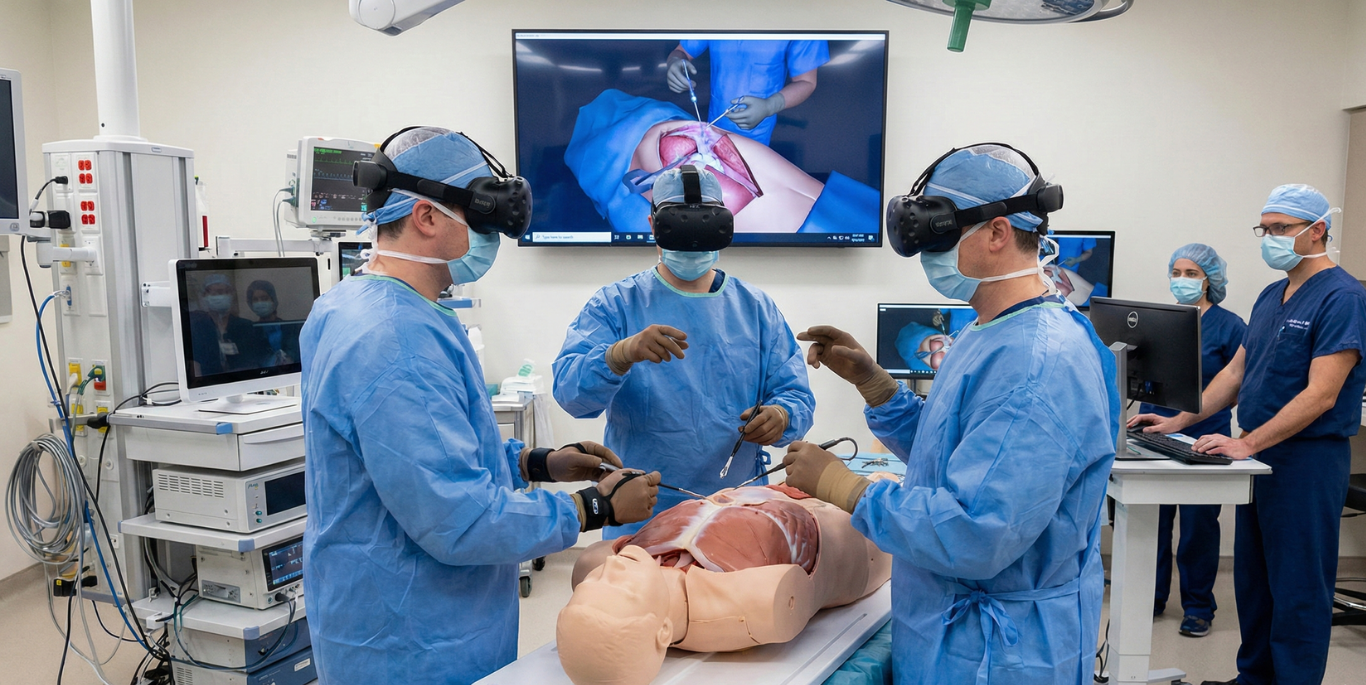
In high-stakes safety and emergency environments, VR allows learners to experience pressure and complexity without physical risk. Studies have shown a 43% reduction in lost-time injuries in the mining industry after the introduction of VR safety drills. Surgeons now practise intricate procedures hundreds of times in environments before ever touching a patient-building muscle memory and significantly reducing the traditional learning curve of the operating room.
In aviation and manufacturing, VR has been shown to reduce training time for certain complex wiring tasks by 75%. Beyond technical skills, it has also proven effective in soft-skills training, leadership development, and education.
According to a PwC study, learners using VR acquire skills up to four times faster than those trained through traditional classroom methods.
Now, this same technology is transforming how we train drivers.
For learner drivers, VR offers something traditional methods cannot: a realistic, controlled environment where skills are developed without the introduction to real risk. It represents a fundamental shift in driver education.
For driving instructors, VR creates the ideal learning environment as the first step, allowing students to build focus, confidence, and core competencies before they even sit in a real car. The results speak for themselves, with improved readiness and higher first-attempt driving test pass rates.
One of the most powerful advantages of VR driver training is its impact on spatial awareness, risk identification, and decision-making under pressure. Time is saved-but more importantly, lives are protected.
Traditional training often undergoes a steep forgetting curve. VR changes that. By immersing learners in realistic scenarios, it encourages continuous awareness and proactive thinking- making safe driving a mindset, not just a lesson.
VR may stand for Virtual Reality, but the experience is anything but virtual. The perception of time, space, and distance closely mirrors real-world driving. Learners experience consequences, distractions, and complexity safely allowing confidence and competence to develop before real-world exposure.
Modern VR driver training replicates the experience of a real car: the same controls, the same actions, and the same decision-making processes. Learners practise steering, braking, hazard perception, and judgement exactly as they would on the road without the pressure or danger of live traffic.
At MINTEDVR, our purpose is simple and uncompromising: safety first. We believe VR represents the future of driver training, setting a new standard for how drivers are prepared, trained, and empowered from their very first lesson.
We are currently exploring franchise partnerships with organisations and individuals who share our vision for safer roads and smarter training. A new year often invites new beginnings, and what better time to consider bringing something innovative and impactful. If this aligns with your goals, we would welcome the opportunity to have a conversation.
As we look ahead, one thing is clear:
Virtual Reality is not just changing driver training- it is defining its future.
